

Does your dog have persistent bad breath, swollen gums, or difficulty chewing? These symptoms might indicate periodontal disease, a common dental condition that affects the gums and tissues supporting the teeth. Without treatment, it can cause pain, infection, and tooth loss.
Periodontal disease develops gradually, and many dogs show few signs of discomfort during its early stages. Understanding its progression can help you recognize warning signs and seek veterinary attention before serious damage occurs.
At our veterinary practice in Bettendorf, we understand how important your dog’s comfort and oral health are to your family. Our vets help pet owners identify dental problems and understand available treatment options. Let’s explore the stages, symptoms, and treatments for periodontal disease in dogs.
What Is Periodontal Disease in Dogs?
Periodontal disease is an inflammatory condition affecting the gums and supporting structures around a dog’s teeth. It begins when bacterial plaque accumulates along the gumline.
Without regular cleaning, plaque hardens into tartar, allowing bacteria and inflammation to damage surrounding tissues.
Periodontal disease generally involves two conditions:
- Gingivitis: Gum inflammation without permanent damage to tooth-supporting structures.
- Periodontitis: Advanced inflammation that damages the tissues and bone holding teeth in place.
Gingivitis is often reversible with appropriate treatment. However, damage caused by periodontitis is generally permanent.
What Are the Four Stages of Periodontal Disease in Dogs?
Veterinarians classify periodontal disease into four stages based on inflammation and the amount of supporting tissue lost around affected teeth.
Stage 1: Gingivitis
The earliest stage involves gum inflammation without attachment loss.
Common symptoms include:
- Red or swollen gums
- Mild bad breath
- Plaque accumulation
- Occasional gum bleeding
Professional cleaning and consistent home care can help reverse inflammation at this stage.
Stage 2: Early Periodontitis
Stage 2 involves less than 25% loss of tooth-supporting attachment.
Symptoms may include:
- Increased gum inflammation
- Bleeding during brushing
- Early gum recession
- Persistent bad breath
Veterinary treatment focuses on removing bacterial deposits and preventing further tissue damage.
Stage 3: Moderate Periodontitis
At this stage, approximately 25% to 50% of supporting attachment has been lost.
Dogs may experience:
- Receding gums
- Deep periodontal pockets
- Discomfort while chewing
- Loose teeth in some cases
Treatment becomes more involved because bacterial deposits extend beneath the gumline.
Stage 4: Advanced Periodontitis
Stage 4 involves more than 50% attachment loss around affected teeth.
Possible symptoms include:
- Severe gum recession
- Loose or displaced teeth
- Significant oral discomfort
- Difficulty eating
- Advanced bone loss
Severely damaged teeth may require extraction to relieve pain and eliminate infection.
Different teeth can have different stages of periodontal disease within the same mouth.
What Are the Warning Signs of Periodontal Disease in Dogs?
Dogs often conceal dental discomfort, making early symptoms difficult to recognize.
Watch for these changes:
- Persistent bad breath: Unpleasant mouth odor may indicate bacterial buildup or dental disease.
- Red or bleeding gums: Inflamed gums may bleed during chewing or brushing.
- Visible tartar: Yellow or brown deposits can accumulate near the gumline.
- Difficulty chewing: Dogs may avoid hard food or chew primarily on one side.
- Excessive drooling: Increased saliva production sometimes accompanies oral discomfort.
- Pawing at the mouth: Dogs may rub their faces when experiencing dental pain.
- Loose teeth: Tooth mobility can indicate significant periodontal damage.
Some dogs continue eating normally despite advanced dental disease. Regular veterinary examinations help identify problems that might otherwise go unnoticed.
Why Do Dogs Develop Periodontal Disease?
Bacterial plaque is the primary cause of periodontal disease. However, several factors influence how quickly it progresses.
Breed and Jaw Size
Small-breed dogs frequently develop dental problems because their teeth may be crowded within smaller jaws. Crowding makes plaque removal more difficult.
Age
Periodontal disease becomes increasingly common with age as plaque-related inflammation accumulates. However, younger dogs can also develop dental problems.
Inconsistent Oral Hygiene
Without regular brushing, plaque continues accumulating around the teeth and gums.
Tooth Alignment
Crowded or misaligned teeth create spaces where plaque and food particles can collect.
Individual Health Factors
Genetics, immune responses, and certain medical conditions may influence a dog’s susceptibility to periodontal disease.
Understanding these factors helps our vets recommend appropriate pet dental care based on your dog’s individual needs.
How Do Veterinarians Diagnose Periodontal Disease?
Veterinarians begin by examining the teeth, gums, and visible signs of inflammation. However, significant dental damage can develop beneath the gumline, making a complete assessment under general anesthesia important.
Diagnostic procedures may include:
- Periodontal probing: Measuring pockets between the teeth and gums.
- Dental X-rays: Identifying bone loss, damaged roots, and hidden abnormalities.
- Tooth mobility assessment: Checking whether supporting structures have weakened.
- Gum examination: Evaluating inflammation, recession, and attachment loss.
Dental radiographs are particularly important because some affected teeth appear relatively normal above the gumline.
Our veterinary team can explain examination findings and recommend treatment based on your dog’s dental condition.
What Are the Treatment Options for Periodontal Disease in Dogs?
Treatment depends on disease severity, affected teeth, and your dog’s overall health.
Professional Dental Cleaning
Professional cleaning removes plaque and tartar above and beneath the gumline. Under anesthesia, the veterinary team can thoroughly examine, clean, and polish the teeth.
Periodontal Treatment
Dogs with deeper periodontal pockets may require additional cleaning beneath the gums or other procedures to manage infection and inflammation.
Tooth Extraction
Severely damaged teeth sometimes cannot be preserved. Extracting affected teeth can relieve pain and remove sources of infection. Many dogs return to comfortable eating after recovery.
Pain Management and Medication
Veterinarians may prescribe pain medication following dental procedures. Antibiotics are recommended only when clinically necessary and cannot replace appropriate dental treatment.
Follow-Up Examinations
Follow-up visits help assess healing and identify additional concerns. Our vets can also recommend home-care practices that support your dog’s oral health between appointments.
Can Periodontal Disease in Dogs Be Prevented?
Although not every case is preventable, consistent oral hygiene can significantly reduce plaque accumulation and gum inflammation.
Consider these preventive measures:
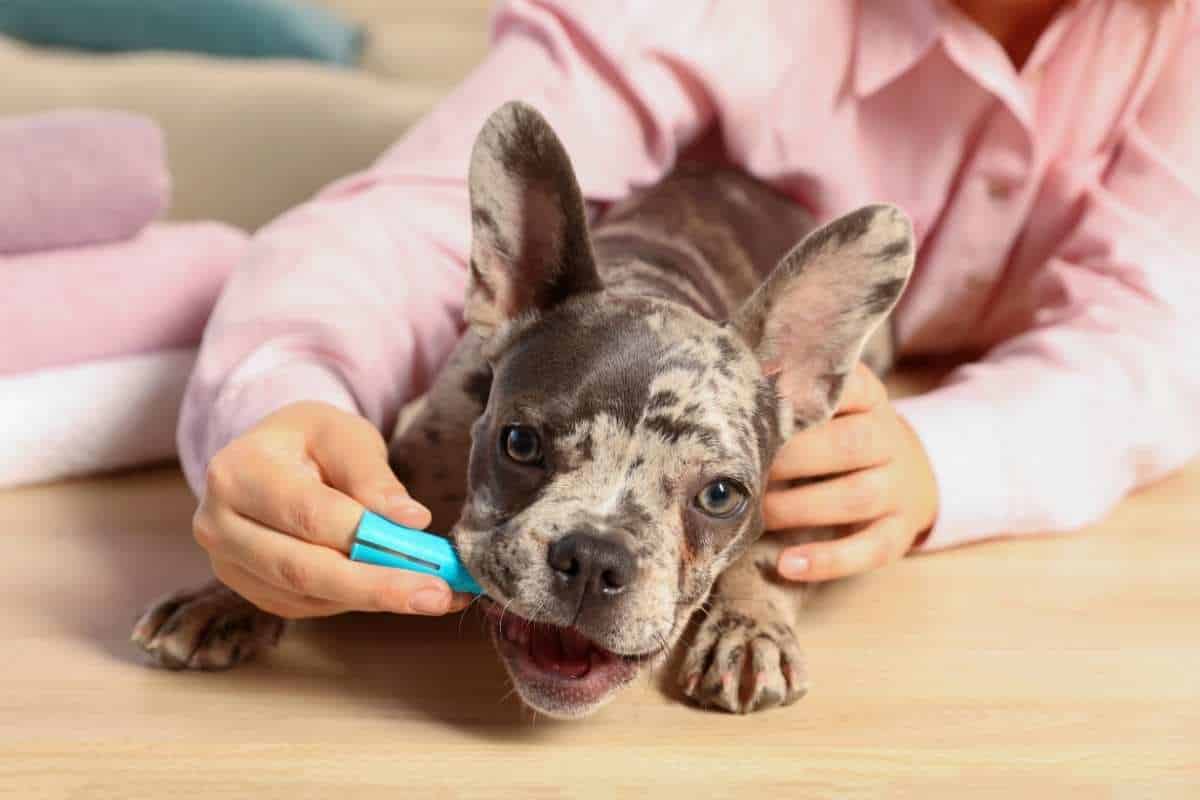
- Brush your dog’s teeth daily using dog-safe toothpaste.
- Introduce brushing gradually with positive reinforcement.
- Choose dental products accepted by the Veterinary Oral Health Council.
- Schedule regular veterinary dental examinations.
- Monitor changes in breath, gums, and chewing habits.
- Follow veterinary recommendations for professional cleanings.
Avoid human toothpaste because certain ingredients can be harmful to dogs.
At our veterinary practice, we encourage families to include pet dental care in their dogs’ regular wellness routines.
Help Your Dog Enjoy a Healthier, More Comfortable Life
Healthy teeth and gums help dogs eat comfortably and enjoy everyday activities. Recognizing periodontal disease early can prevent unnecessary discomfort and reduce the risk of serious dental complications.
At Maplewood Veterinary Center, we help families in Bettendorf, understand their dogs’ dental health and address concerning symptoms. Whether your dog has persistent bad breath, swollen gums, or difficulty chewing, our veterinary team can evaluate the problem and discuss appropriate treatment options.
Don’t wait until dental problems affect your dog’s daily life. Contact us today to schedule a dental examination and help protect your dog’s oral health.
Frequently Asked Questions
Q1. Can periodontal disease in dogs be completely cured?
Ans. Early gingivitis is often reversible with professional cleaning and home care. Advanced periodontal disease causes permanent tissue damage, but veterinary treatment can control infection and relieve discomfort.
Q2. How often should dogs receive professional dental cleanings?
Ans. Cleaning frequency depends on your dog’s breed, age, dental condition, and medical history. Your veterinarian can recommend an appropriate schedule.
Q3. Is periodontal disease painful for dogs?
Ans. Yes. Inflamed gums, damaged supporting tissues, and exposed tooth roots can cause considerable discomfort, even when dogs continue eating normally.
Q4. Where can I get my dog’s gums examined in Bettendorf?
Ans. Maplewood Veterinary Center provides veterinary dental services in Bettendorf. Our team can examine your dog’s mouth and recommend appropriate diagnostic procedures or treatment.
Q5. Can Maplewood Veterinary Center help with persistent bad breath?
Ans. Yes. Persistent bad breath may indicate dental disease. Maplewood Veterinary Center can evaluate your dog’s oral health and discuss appropriate treatment options.
Q6. When should I schedule a dog dental examination in Bettendorf?
Ans. Schedule an examination when you notice bleeding gums, bad breath, loose teeth, or chewing difficulties. Maplewood Veterinary Center helps Bettendorf pet owners identify dental concerns and determine appropriate next steps.