

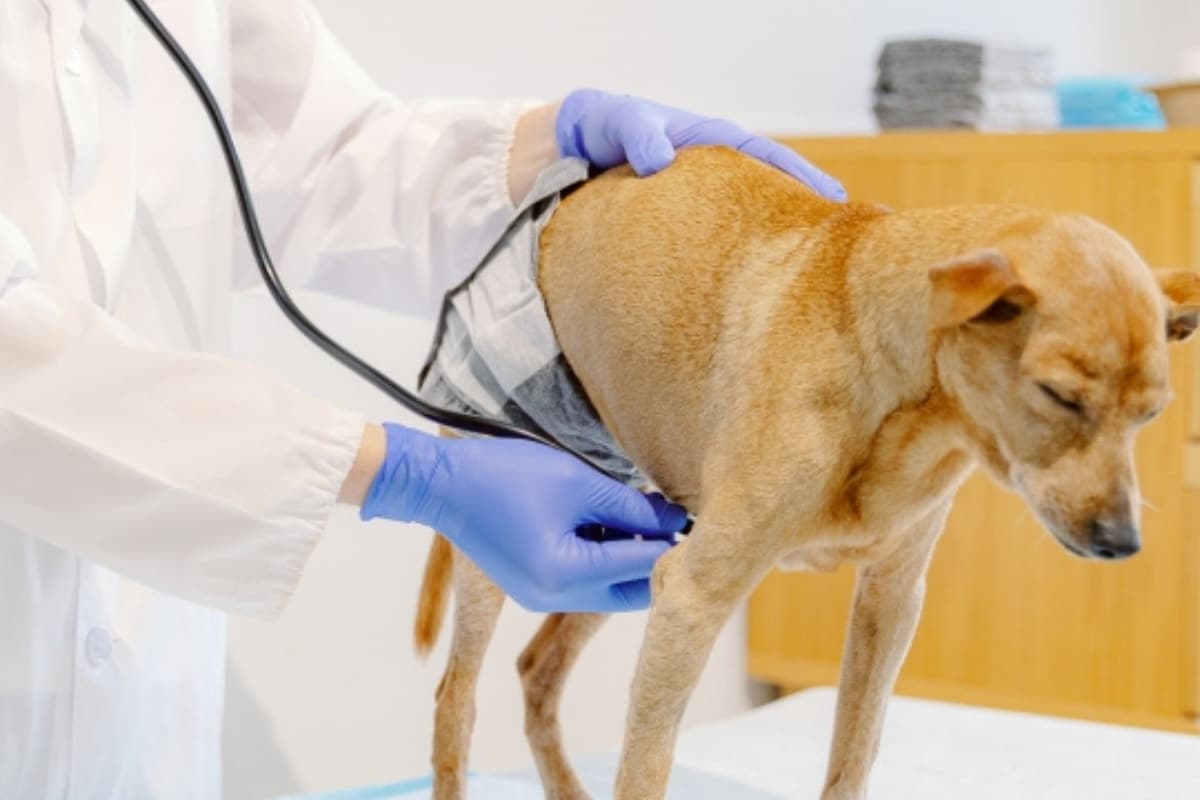
Heartworm disease is a serious parasitic infection that can damage a dog’s heart, lungs, and blood vessels. What makes this condition concerning is that many infected dogs show no symptoms during the early stages. By the time coughing, fatigue, or breathing problems develop, the disease may have already progressed.
Fortunately, heartworm disease is preventable, and early detection can improve treatment outcomes. Understanding how the infection spreads, recognizing warning signs, and maintaining regular veterinary care can help protect your dog.
At our veterinary practice in Bettendorf, we encourage pet owners to take a proactive approach to heartworm prevention. Through routine testing, preventive medication, and timely veterinary evaluations, we help families make informed decisions about their dogs’ long-term health.
What Is Heartworm Disease in Dogs?
Heartworm disease is caused by a parasitic worm called Dirofilaria immitis. It spreads when an infected mosquito bites a dog and transmits heartworm larvae.
Over approximately six to seven months, these larvae develop into adult worms. They primarily live in the blood vessels supplying the lungs and may eventually affect the heart. Adult heartworms can grow up to 12 inches long and survive for several years.
Without treatment, the infection may cause:
- Damage to the blood vessels in the lungs
- Inflammation and breathing difficulties
- Reduced exercise tolerance
- Increased strain on the heart
- Heart failure in severe cases
Heartworm disease cannot spread directly between dogs. Mosquitoes are necessary for transmission.
What Are the Symptoms of Heartworm Disease in Dogs?
Heartworm symptoms depend on the severity of the infection, the number of worms present, and the dog’s activity level.
Early Symptoms of Heartworm Disease
During the early stages, dogs may appear completely healthy. As the infection progresses, owners might notice:
- Mild, persistent coughing
- Reduced energy during walks
- Tiring easily after exercise
- Less interest in playing
- Difficulty maintaining normal activity levels
These symptoms can resemble other respiratory or cardiovascular conditions. Veterinary testing is necessary to determine their cause.
Symptoms of Advanced Heartworm Disease
Dogs with more severe infections may develop:
- Frequent coughing
- Labored or rapid breathing
- Significant fatigue
- Weight loss
- Reduced appetite
- Swollen abdomen
- Fainting or collapse
Severe infections can occasionally cause caval syndrome, a life-threatening complication that disrupts blood flow through the heart.
Dogs experiencing collapse, severe weakness, or difficulty breathing require immediate emergency veterinary attention.
How Do Dogs Get Heartworm Disease?
Heartworm disease spreads through infected mosquitoes.
When a mosquito bites an infected animal, it can ingest immature heartworms circulating in the bloodstream. These larvae develop inside the mosquito before being transmitted to another dog through a subsequent bite.
Even indoor dogs can become infected because mosquitoes can enter homes.
Are Dogs in Bettendorf at Risk for Heartworms?
Yes. Heartworm disease occurs throughout the United States, including Bettendorf and surrounding communities.
Mosquito activity generally increases during warmer months. However, changing weather conditions can make exposure difficult to predict. Year-round prevention helps protect dogs against infections associated with unexpected mosquito exposure.
How Is Heartworm Disease Diagnosed in Dogs?
Veterinarians use blood tests to detect heartworm infections. Additional diagnostic procedures may be necessary when an infection is confirmed.
Heartworm Antigen Testing
An antigen test detects proteins primarily produced by adult female heartworms. This common screening method helps identify established infections. However, recently infected dogs may test negative because the worms have not matured.
Microfilaria Testing
This blood test checks for immature heartworms circulating in the bloodstream. It provides additional information and may help confirm an infection.
Additional Diagnostic Tests
If a dog tests positive, veterinarians may recommend:
- Chest X-rays to examine the heart and lungs
- Bloodwork to assess overall health
- Echocardiography to evaluate heart function when indicated
- Additional examinations to assess complications
Routine screening is an important part of preventive pet care, particularly because infected dogs may not display noticeable symptoms.
When Should Dogs Be Tested for Heartworms?
The American Heartworm Society recommends annual heartworm testing for dogs, including those receiving preventive medication.
General testing recommendations include:
- Puppies younger than seven months: Can usually begin prevention without initial testing.
- Dogs seven months or older: Should be tested before starting prevention.
- Dogs receiving regular prevention: Should undergo annual testing.
- Dogs with missed preventive doses: May require additional testing based on veterinary recommendations.
- Dogs showing symptoms: Should receive a veterinary evaluation promptly.
Dogs with an uncertain prevention history may need repeat testing approximately six months after potential exposure.
How Is Heartworm Disease Treated in Dogs?
Heartworm treatment requires veterinary supervision because eliminating adult worms can cause serious complications.
Treatment generally involves several stages.
Confirming the Diagnosis
The veterinarian confirms the infection and evaluates the dog’s heart, lungs, and overall condition. Additional testing helps determine whether treatment can begin safely.
Administering Heartworm Treatment
Depending on the dog’s condition, treatment may include:
- Heartworm preventive medication under veterinary supervision
- Doxycycline to address bacteria associated with heartworms
- Melarsomine injections to eliminate adult heartworms
- Supportive medications when necessary
The treatment protocol depends on the infection’s severity and the dog’s medical needs.
Restricting Physical Activity
Exercise restriction is essential during treatment. As heartworms die, fragments can obstruct blood vessels in the lungs. Physical exertion increases the risk of complications. Dogs may need restricted activity for several months, depending on veterinary instructions.
Completing Follow-Up Testing
Follow-up testing helps determine whether treatment successfully eliminated the infection. Antigen testing is generally recommended approximately nine months after the final melarsomine injection. Some dogs may require ongoing monitoring if heart or lung damage remains.
How Can You Prevent Heartworm Disease in Dogs?
Heartworm prevention is safer and less complicated than treating an established infection.
Give Heartworm Prevention Medication Year-Round
Veterinarians may recommend:
- Monthly oral medications
- Monthly topical preventives
- Long-acting injectable prevention
The appropriate option depends on your dog’s age, weight, medical history, and lifestyle.
Schedule Annual Heartworm Testing
Annual testing helps detect infections even when dogs receive regular prevention. Missed doses or delayed administration can increase infection risks.
Reduce Mosquito Exposure
Pet owners can help limit mosquito activity by:
- Removing standing water around the home
- Cleaning gutters regularly
- Maintaining window and door screens
- Avoiding outdoor areas with heavy mosquito activity
- Using veterinarian-approved mosquito-control products when appropriate
Mosquito control supports prevention but does not replace heartworm medication.
Maintain Routine Veterinary Visits
Regular wellness examinations allow our vets to review prevention schedules, assess health changes, and recommend necessary testing. Consistent preventive pet care helps reduce the likelihood of undetected infections and supports long-term health.
Can Dogs Recover From Heartworm Disease?
Many dogs recover following appropriate treatment, particularly when the infection is diagnosed early.
However, recovery depends on:
- The severity of the infection
- Existing heart and lung damage
- The dog’s overall health
- Adherence to treatment instructions
- Potential treatment complications
Some dogs return to normal activity after recovery, while others may experience lasting cardiovascular or respiratory problems.
Early diagnosis and consistent prevention remain important for protecting your dog’s health.
Keep Your Dog Protected Against Heartworm Disease
Heartworm disease can seriously affect a dog’s health, but consistent prevention and routine testing can reduce the risk of infection and complications. Recognizing symptoms early and following veterinary recommendations can help protect your dog’s heart and lungs.
At Maplewood Veterinary Center, we help pet owners in Bettendorf and nearby communities stay informed about heartworm prevention and routine wellness care. Our veterinary team can assess your dog’s health, discuss preventive medications, and recommend appropriate screening.
Contact our veterinary practice today to schedule a heartworm screening or discuss your dog’s prevention needs. Taking action now can help your companion enjoy a healthier, more active life for years to come.
Frequently Asked Questions
Q1. Can Dogs Have Heartworms Without Showing Symptoms?
Ans. Yes. Dogs may remain symptom-free for months after infection. Routine blood testing helps identify heartworms before noticeable symptoms develop.
Q2. Can Indoor Dogs Get Heartworm Disease?
Ans. Yes. Mosquitoes can enter homes and transmit heartworm larvae through bites. Indoor dogs still require year-round prevention.
Q3. How Long Does Heartworm Treatment Take?
Ans. Treatment usually extends over several months and includes medication, activity restrictions, and follow-up testing. The timeline depends on the dog’s condition.
Q4. Where Can I Get My Dog Tested for Heartworms in Bettendorf?
Ans. Maplewood Veterinary Center can help pet owners in Bettendorf arrange veterinary evaluations and discuss heartworm screening. Our vets can assess symptoms and recommend appropriate testing.
Q5. Can Maplewood Veterinary Center Help With Heartworm Prevention?
Ans. Yes. Maplewood Veterinary Center can help owners understand heartworm prevention options and establish appropriate testing schedules based on their dogs’ health and lifestyle.
Q6. What Should I Do If My Dog Misses a Heartworm Prevention Dose in Bettendorf?
Ans. Contact Maplewood Veterinary Center for guidance. Our vets can review your dog’s prevention history and recommend when to resume medication and schedule follow-up testing.